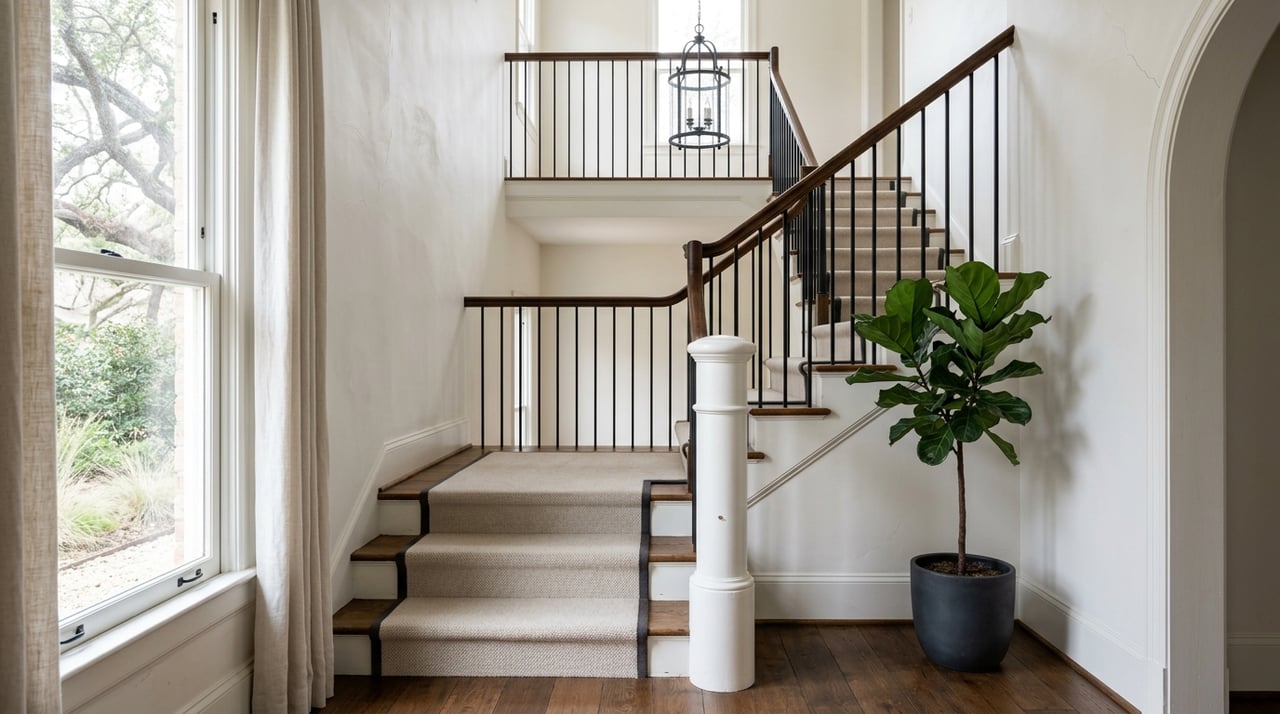
Buying a Historic Home in Alamo Heights: What to Know
July 2, 2026
July 2, 2026
You are not just buying square footage in Alamo Heights. You are often buying a story, a setting, and a home that fits into a long-established streetscape. If you are drawn to historic charm but want to avoid expensive surprises, it helps to understand how older homes in Alamo Heights differ from one block to the next and what due diligence matters most. Let’s dive in.
Alamo Heights is not defined by one single historic style. City planning documents describe the area as a mix of neighborhoods shaped by different lot sizes, building eras, materials, trees, topography, and street patterns. That means a home’s historic character may come as much from its scale, placement, and relationship to the street as from decorative details.
For buyers, this is important because “historic” in Alamo Heights can look very different depending on where you are shopping. A 1920s stone home set above the street may carry value in one area, while a modest postwar ranch with original materials and strong neighborhood fit may matter in another.
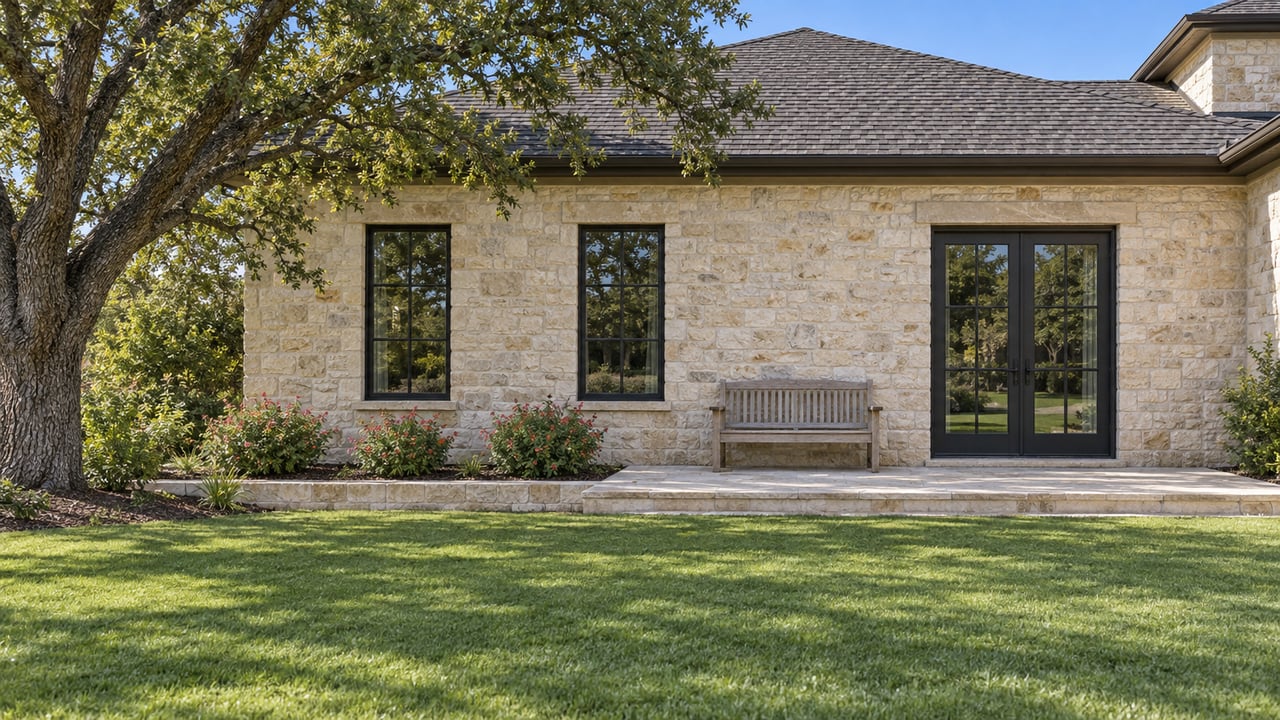
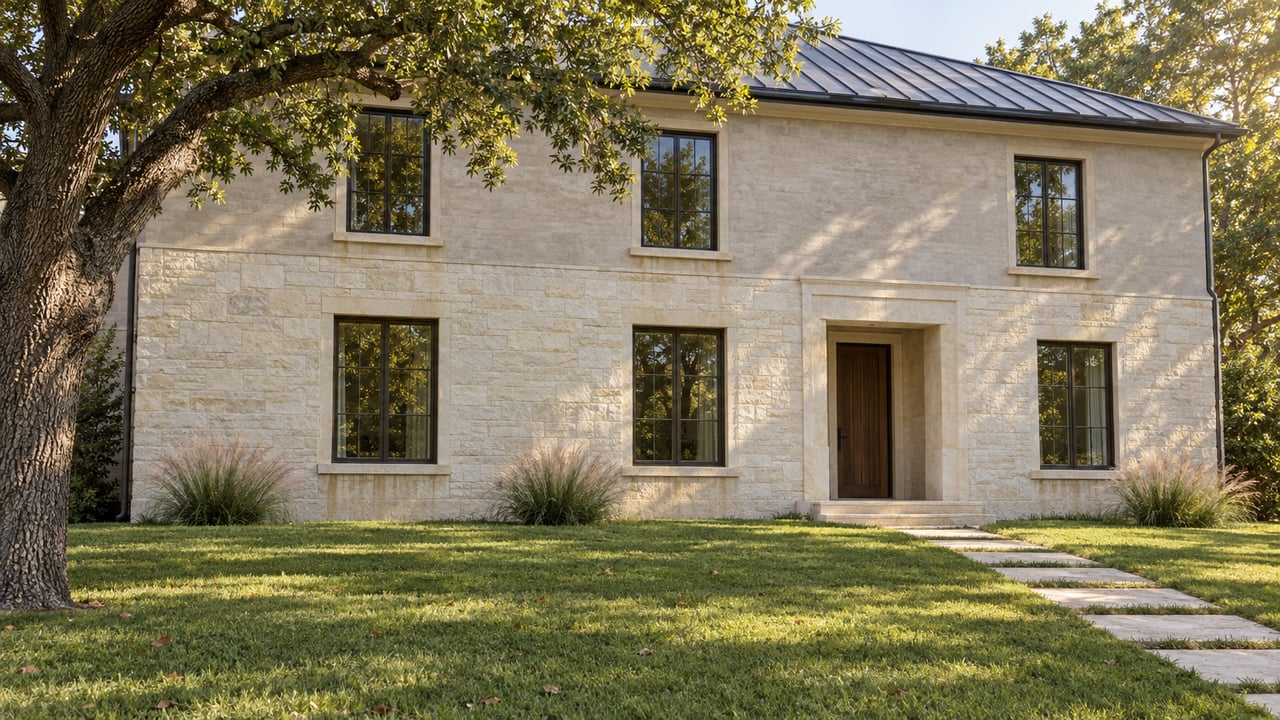
Some areas in Alamo Heights are known for 1920s homes with stone, brick, wood siding, and stucco. In Blue Bonnet Hills, for example, homes are often elevated above the street behind retaining walls and accessed by rear alleys.
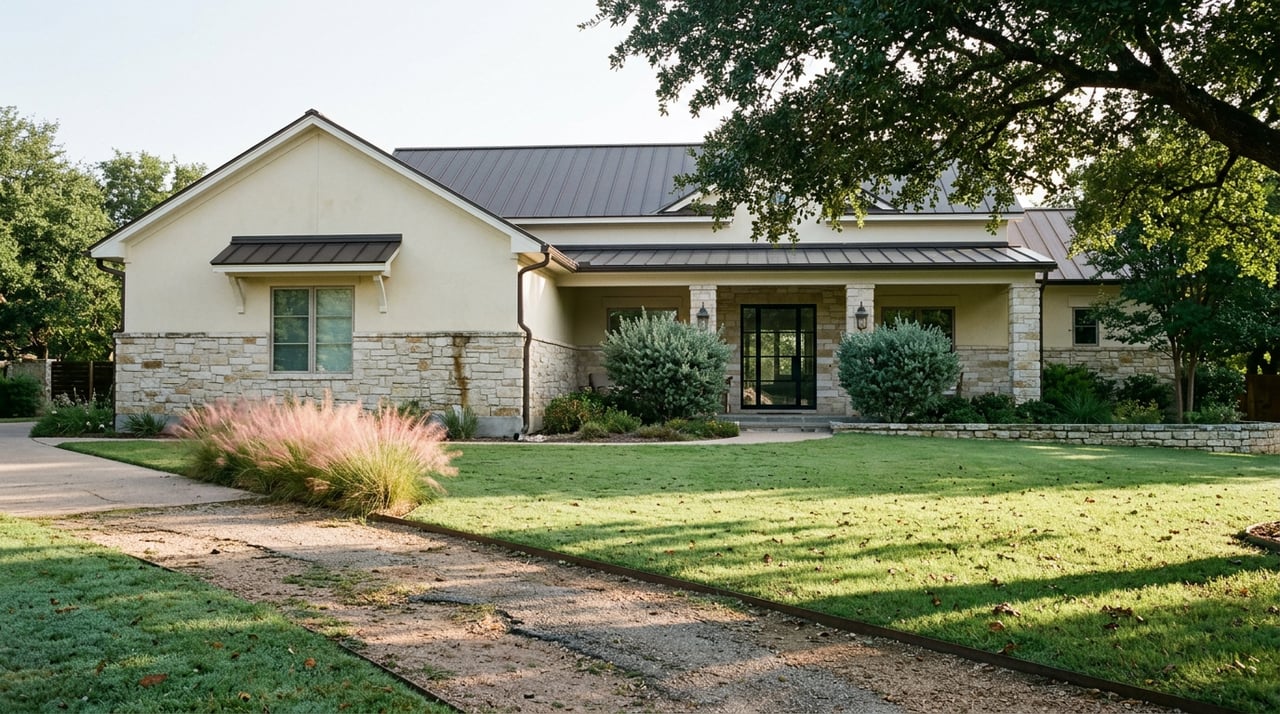
Other areas reflect later building periods. Sylvan Hills is described in the city survey as primarily made up of 1940s and 1950s ranch homes, along with some smaller Minimal Traditional homes.
You also see variety in places like La Jara, where wooded lots, live oaks, and substantial homes from several decades create an eclectic streetscape. In the Cottage District, many homes began as one-story houses with detached rear garages, and some were expanded later with second-story additions.
Because Alamo Heights is a patchwork of character areas, a home should be evaluated in context, not in isolation. The city’s planning work specifically notes that neighborhood diversity is greater than current residential development standards may suggest.
That can affect how you view both value and future renovation plans. A house that blends with the lot, street, and surrounding homes may have stronger long-term appeal than one with changes that feel out of scale for the block.
Historic charm does not replace sound due diligence. In older Alamo Heights homes, a careful inspection process can help you separate cosmetic appeal from repair risk.
Texas guidance notes that expansive soils can shrink and swell with changing moisture levels, which can contribute to foundation problems. That same guidance says water should drain away from the house on all sides.
This matters in Alamo Heights because several neighborhoods include sloped lots, retaining walls, irregular lot shapes, and topography that can influence drainage. If you are considering an older home, pay close attention to grading, standing water, erosion patterns, and any signs of past movement.
A home’s age does not mean every system is equally old. Texas Real Estate Commission guidance says a transaction inspection can cover major components such as foundation, roof, plumbing, electrical, and major appliances, with visible issues reported when accessible.
In practical terms, older homes in Alamo Heights deserve a careful look at roof edges, flashing, windows, doors, and visible service systems. Even when a home has been updated, the quality, timing, and completeness of those updates matter.
Texas rules treat wood-destroying insect evaluations separately. A regular home inspector may note visible damage, but termite infestation can only be diagnosed by a properly licensed wood-destroying insect inspector.
If you are buying an older home, it may make sense to consider both a general home inspection and a separate WDI evaluation when conditions warrant. That is especially true if you see old wood components, moisture issues, or visible signs of deterioration.
If a home was built before 1978, buyers of most homes have the right to know about lead-based paint hazards before signing a contract. Sellers must also provide a 10-day period to conduct a lead inspection or risk assessment.
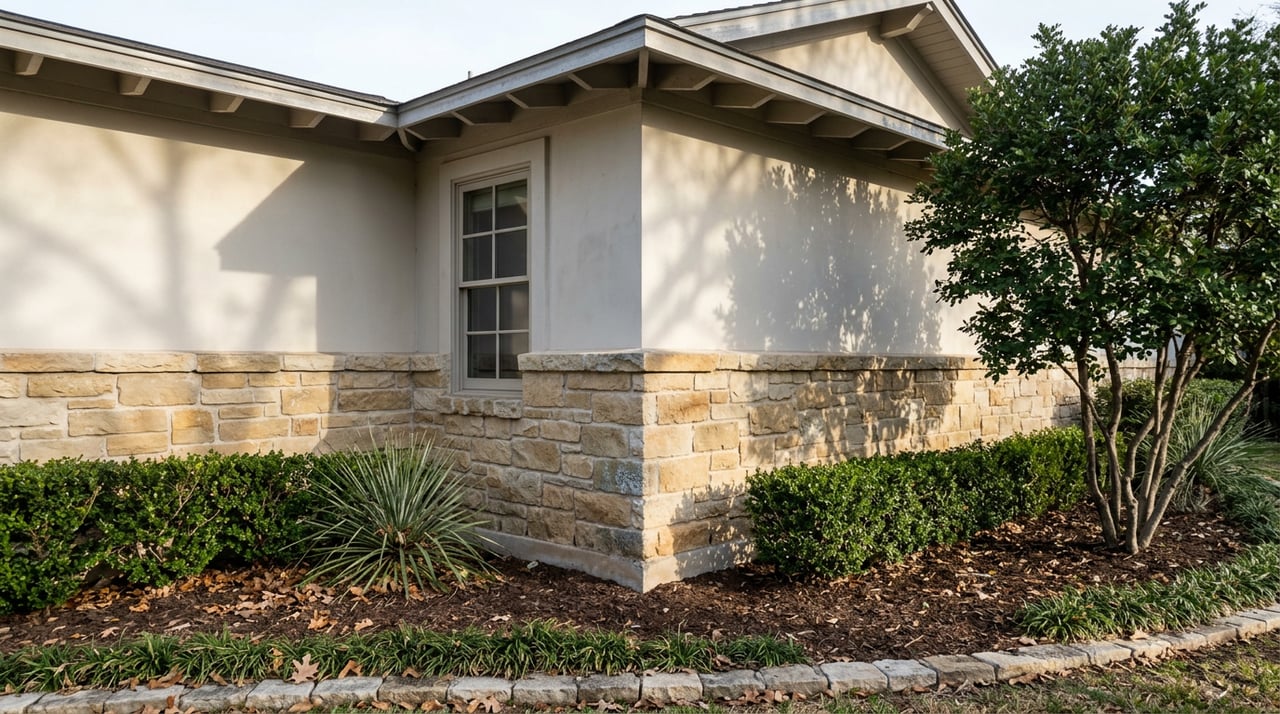
This matters not only for purchase decisions, but also for future renovation. In Alamo Heights, some surveyed homes are noted as having asbestos tiles or shingles, so original materials should be identified before sanding, cutting, or demolition begins.
Many buyers love historic homes because they see potential. In Alamo Heights, that potential needs to be balanced with local permitting and review requirements.
The city’s Residential Design Standards were amended in 2021, and the city identifies many common projects that require permits. These can include windows and doors, roofing, structural modifications, interior remodeling, foundation repair, retaining walls, HVAC, plumbing, additions, and even some tree pruning or removal.
Routine maintenance such as painting and refinishing wood floors does not require a permit. Still, buyers should not assume a project is simple just because it seems cosmetic at first glance.
In Alamo Heights, demolition review may be triggered when a project removes more than 25 percent of the framed exterior walls facing public streets or more than 50 percent of all exterior walls and roofs. The city says the Architectural Review Board first considers architectural or historical significance and then reviews compatibility of the proposed renovation or replacement.
The city notes that this process takes about 30 days, not including plan review. If you plan to renovate soon after closing, that timeline should be part of your purchase strategy.
Alamo Heights processes building permits and inspections through My Government Online. Contractors must register with the city, plans must be approved before permits are issued, and permits can expire if work does not begin or is suspended for 180 days.
For larger projects, the city may require a survey, floor plans, elevations, mechanical, plumbing, and electrical drawings, foundation plans, energy documentation, and structural calculations. The city also limits construction to weekdays, with no weekend or holiday construction allowed.
When you buy a historic home, the goal is to value the charm without underestimating the cost of ownership. A strong offer strategy should reflect both.
For older Alamo Heights homes, the biggest due diligence items often include roof condition, foundation and drainage, wood-destroying insects, and prior work that may have been completed without permits. Those items can influence both your repair budget and your renovation timeline.
If you are planning a major remodel or addition, it is wise to account for city review time before shortening contingencies or trying to rush closing. In a historic setting, speed is not always your best advantage.
Bexar County notes that the appraisal district determines appraised value and exemptions. BCAD also states that a homestead exemption generally limits how much a primary home’s taxable value can increase each year to 10 percent, plus the value of improvements.
The county also notes that some jurisdictions, including the City of Alamo Heights, have tax freezes for certain over-65 or disabled homesteads. For buyers, the key takeaway is simple: review likely carrying costs before closing, not after.
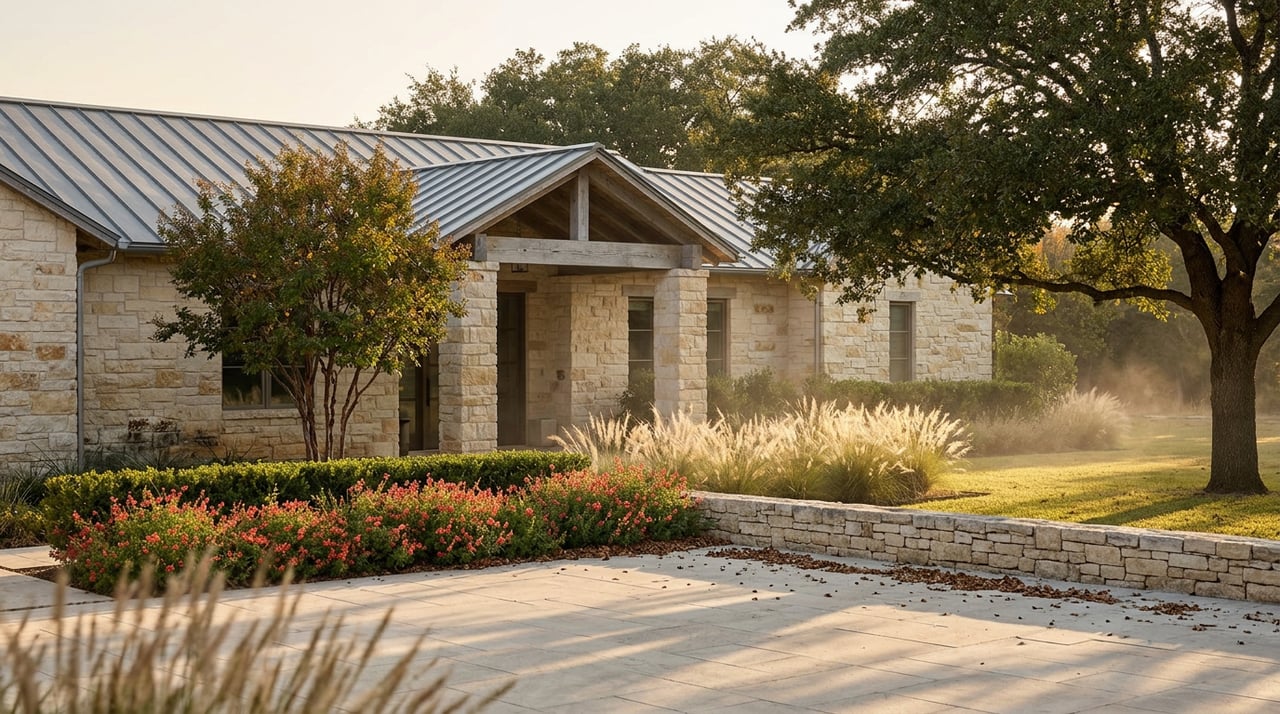
Alamo Heights planning documents consistently favor house-scale elements, street-facing entries, rear parking, and additions that fit the surrounding block. That suggests future resale may benefit from updates that preserve original character while improving systems and livability.
In many cases, compatible improvements are likely to age better than oversized changes that fight the lot or the street. If you are buying with renovation in mind, long-term fit matters.
A historic home purchase usually goes more smoothly when you ask detailed questions early. In Alamo Heights, these are some of the most important ones to raise.
Buying a historic home in Alamo Heights is rarely a plug-and-play transaction. The homes are distinctive, the neighborhoods are varied, and the city’s review standards can shape what you do after closing.
That is why local insight matters as much as broad real estate knowledge. When you understand neighborhood character, inspection priorities, permit requirements, and likely carrying costs before you buy, you can move forward with more confidence and fewer surprises.
If you are considering a historic home in Alamo Heights and want a more tailored buying strategy, The Ross Group offers high-touch guidance designed to help you evaluate character, condition, and long-term fit with clarity.
Stay up to date on the latest real estate trends.

Etiam non quam lacus suspendisse faucibus interdum. Orci ac auctor augue mauris augue neque. Bibendum at varius vel pharetra. Viverra orci sagittis eu volutpat.