Buying a Second Home at Canyon Lake: What to Review
May 14, 2026
May 14, 2026
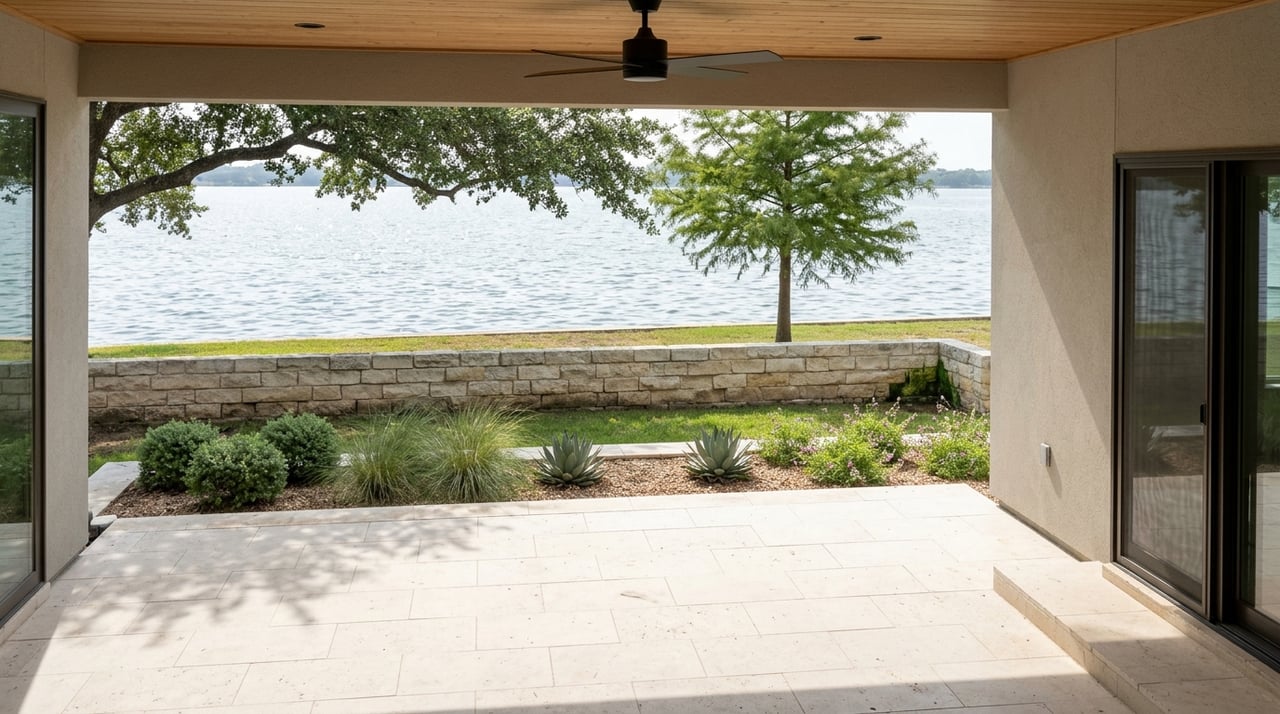
If you are dreaming about a second home at Canyon Lake, the view is only part of the story. This is a beautiful and highly recreational part of Comal County, but buying here comes with lake-specific rules, changing water levels, and ownership details that can affect how you use the property year-round. If you want a purchase that feels relaxing instead of complicated, it helps to know what to check before you buy. Let’s dive in.
Canyon Lake is not just another Texas lake community. It is a U.S. Army Corps of Engineers reservoir built for flood control, water conservation, and recreation, with more than 80 miles of shoreline at conservation pool. That matters because ownership decisions here are shaped by how the reservoir is managed, not just by what a listing says.
For second-home buyers, that means you should look at more than scenery and square footage. A home’s real value to you may depend on access, shoreline conditions, public ramp usability, and how much variability you are comfortable with over time. In a market like Canyon Lake, practical use matters just as much as curb appeal.
At Canyon Lake, water level is a major part of the ownership experience. As of May 10, 2026, the lake was reported at 886.69 feet, which is 22.31 feet below the normal 909.0-foot elevation. That kind of change can affect shoreline appearance, launch access, and the day-to-day feel of a property near the water.
If you are comparing homes, this is why a waterfront label should never be the end of your research. Low-water conditions can change how close the water feels, how usable nearby ramps are, and whether the lot delivers the experience you imagined. For a second home, especially if you will not be there every week, it is smart to plan for changing conditions rather than ideal ones.
One of the most important things to know about Canyon Lake is that waterfront ownership does not automatically include private dock rights. According to the USACE master plan, private shoreline uses are not allowed at Canyon Lake, including floating docks, piers, and vegetation modification that creates exclusive shoreline use.
That makes Canyon Lake different from some buyers’ expectations. If your second-home vision includes walking down to your own private dock, you need to reset that assumption early. Here, the right question is not just whether a home is waterfront, but how the property connects to the lake experience in practice.
A waterfront home may still offer impressive views, proximity, and a stronger sense of place. But you should also look at slope, shoreline exposure, ease of access, and how much maintenance the site may require over time.
Off-water homes can be a very smart choice if you want easier ownership and less exposure to changing shoreline conditions. Canyon Lake has public access infrastructure, including 23 boat ramps listed by USACE, so some buyers find they can enjoy the lake lifestyle without taking on every challenge that comes with a shoreline lot.
Canyon Lake is a high-use recreation reservoir, and access can shift with conditions and demand. USACE has noted boating pressure, limited parking at certain times, traffic-control measures, and closures tied to low water and public safety work.
That means your ownership experience may depend partly on how patient and flexible you are during peak recreation periods. If you plan to use your second home on holidays, summer weekends, or other busy times, it is worth understanding how you will get on the water, where you will park, and how nearby public facilities typically function.
If you are considering occasional rentals when you are not using the home, do not rely on assumptions. In Texas, HOA and deed-restriction questions depend on the exact recorded language tied to the property. The Texas Supreme Court has made clear that restrictions are enforced based on what the governing documents or law actually authorize, and residential-use language alone may not prohibit short-term rentals.
In plain terms, there is no safe shortcut here. Two homes in the same general area may have different restrictions depending on the subdivision and the recorded covenants for that parcel. Before you buy, review the actual documents carefully so you know what is allowed.
If you do plan to rent the property for short stays, state tax obligations come into play. The Texas Comptroller says state hotel occupancy tax applies to short-term rentals of all or part of a residential property to a non-permanent resident for 29 days or less.
The Comptroller also notes that some booking platforms may collect and remit the state tax if they have an agreement to do so. Even so, you still need to check the county and city requirements for local hotel-tax obligations. If rental income is part of your plan, tax compliance should be part of your early due diligence, not something you sort out after closing.
For financing, the difference between a second home and an investment property matters. Fannie Mae says a second home must be occupied by the borrower for part of the year, must be a one-unit dwelling suitable for year-round occupancy, cannot be a timeshare, and cannot be subject to a management firm that controls occupancy.
Fannie Mae also says rental income may exist without disqualifying second-home treatment if it is not used to qualify the borrower and other second-home requirements are met. This is an area where buyers can get tripped up, especially if their long-term plan includes some occasional renting. Before you make an offer, ask your lender exactly how the property and your intended use will be classified.
Comal County property taxes are collected across 22 jurisdictions, and annual taxes are due by January 31 before penalty and interest apply. For a second-home buyer, that means carrying costs can vary meaningfully from one property to the next.
The total bill may reflect the county, school district, emergency district, water district, and other local taxing units. A home that looks similar on paper to another property may carry a different annual tax burden, so it is worth confirming the full tax picture before you move forward.
Insurance deserves a serious spot in your Canyon Lake budget. The Texas Department of Insurance says standard homeowners insurance does not cover flood damage, and flood insurance requires a separate policy. The Texas Office of Public Insurance Counsel also notes that standard residential policies may not cover wind and hail.
Even if a property does not look obviously flood-prone, you should still evaluate the insurance picture before closing. For second-home owners, insurance gaps can become especially costly when the home sits vacant for stretches of time.
For older or more rural properties around Canyon Lake, septic can be a major issue to review. Comal County Environmental Health requires permits and approved plans before building, altering, extending, or operating an on-site sewage facility.
That makes septic history, maintenance records, and permit files important items to request during due diligence. If you are buying a home that will serve as a second residence rather than a full-time primary home, you want confidence that core systems are compliant and dependable.
A second home is supposed to make life easier, not create a long list of remote management problems. At Canyon Lake, changing water levels, recreation-related access issues, insurance considerations, and septic oversight all make hands-on planning especially important.
If you will be away much of the year or plan to rent intermittently, local property management may be a practical part of ownership. Even when it is not required, having reliable help on the ground can make the difference between a property that feels effortless and one that constantly demands your attention.
Before you commit to a second home at Canyon Lake, focus on the details that shape actual use:
That checklist may feel more detailed than in some other lake markets, but that is exactly the point. Canyon Lake rewards buyers who are thorough.
If you are buying a second home here, the goal is not just to find a beautiful property. It is to find a property that fits how you actually want to live, relax, and use the lake over time. With the right guidance and a careful review of parcel-level details, Canyon Lake can be a rewarding place to own.
When you want a second-home strategy that is thoughtful, local, and tailored to your goals, The Ross Group can help you evaluate Canyon Lake properties with clarity and confidence.
Stay up to date on the latest real estate trends.

Etiam non quam lacus suspendisse faucibus interdum. Orci ac auctor augue mauris augue neque. Bibendum at varius vel pharetra. Viverra orci sagittis eu volutpat.